
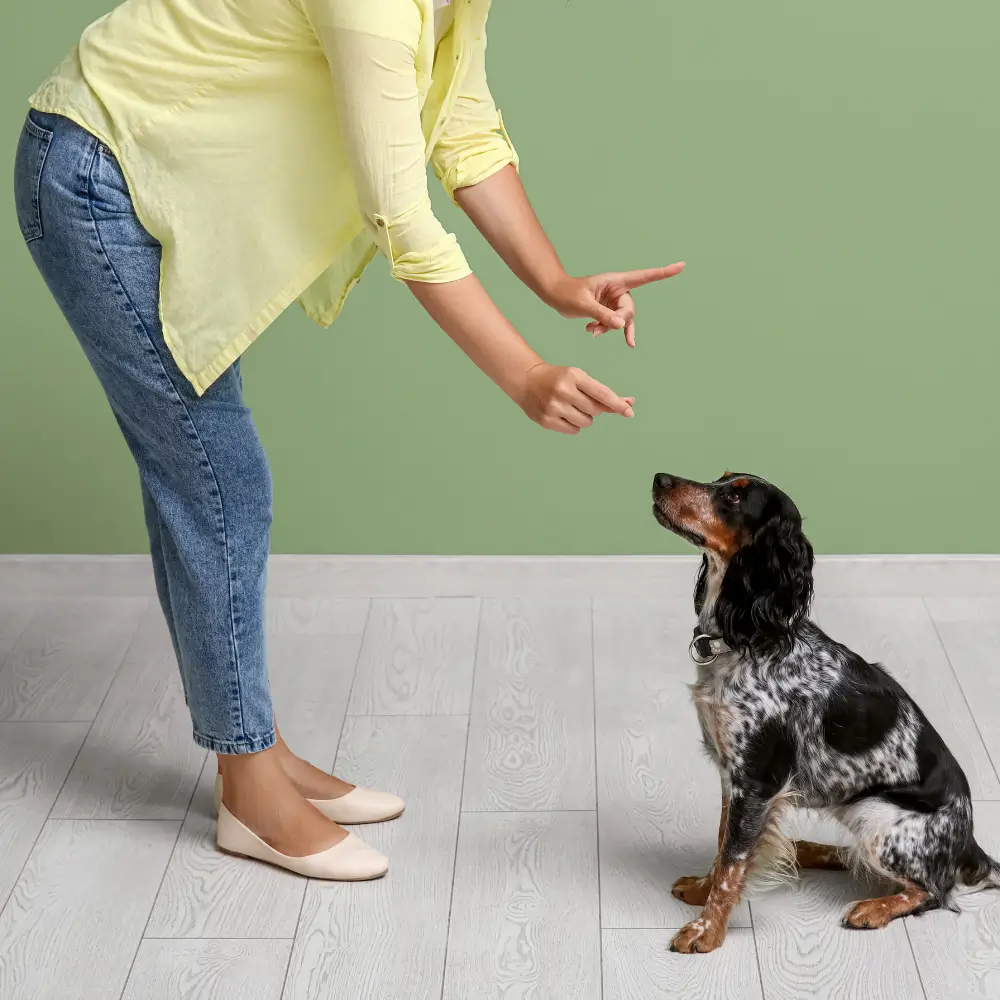
Listen — welcoming a dog into your home (puppy or rescue adult) isn’t just a fluff-and-squeak fest.
It’s more like adopting a tiny, adorable roommate who has zero idea what your rules are.
But if you start strong, you’ll save yourself (and your sneakers) a lot of headaches down the line!
Here are 10 training habits that, if you start them from day one, can help your pup grow into a happy, well-behaved, tail-wagging companion.
1. Start Training Immediately — As Soon as They Come Home

Believe it or not, dogs begin learning the moment they step through your door.
According to PetMD, basic training can start from the first day you bring a puppy home — usually around 8 weeks old.
So don’t wait for the “perfect” moment. Even short, simple lessons (sit, come, crate recognition, familiarising with home layout) can shape their understanding of “how things work here.”
EVERYONE’S CLICKING ON:
14 Dog Travel Essentials That Actually Make the Trip Easier (Not Just Look Good on a Packing List)

6 Senior Dogs Who Found Their Forever Home (And Why Adopting Older Pets Is So Underrated)
The Complete Guide to Feeding Your Dog: A Stage-by-Stage Breakdown
Why Do Dogs Lick Each Other’s Ears? (And When You Should Step In)

10 Best Dog Gadgets That Actually Make Life Easier (Not Just Cuter)
2. Use Positive Reinforcement — Because Treats > Threats
Here’s the big one: reward good behaviour instead of punishing mistakes.
Positive-reinforcement training (treats, praise, toys, belly rubs) is scientifically backed, and helps build trust — not fear.
If something works — a crumb of kibble, a favourite squeaky toy, or a happy “good job!” — double down.
Harsh corrections, scolding, or dominance-based methods? They can lead to fear, confusion or anxiety later. Not worth it.
3. Be Consistent — In Words, Rules, and Rewards
Your dog’s brain might be fuzzy, but consistency? That clicks.
Use the same command words (never “sit down” one day and “sit!” the next).
According to Dog’s Trust, you need to make sure the whole household is singing from the same song sheet (or you’ll confuse the heck out of your pup).
If “no jumping on the sofa” is the rule, then sofa-zero-access unless invited. If “sit before dinner” is the ritual, then always wait for that sit.
Consistent boundaries = clearer expectations + calmer dog.
4. Socialise Early and Often — Introduce the World Gently
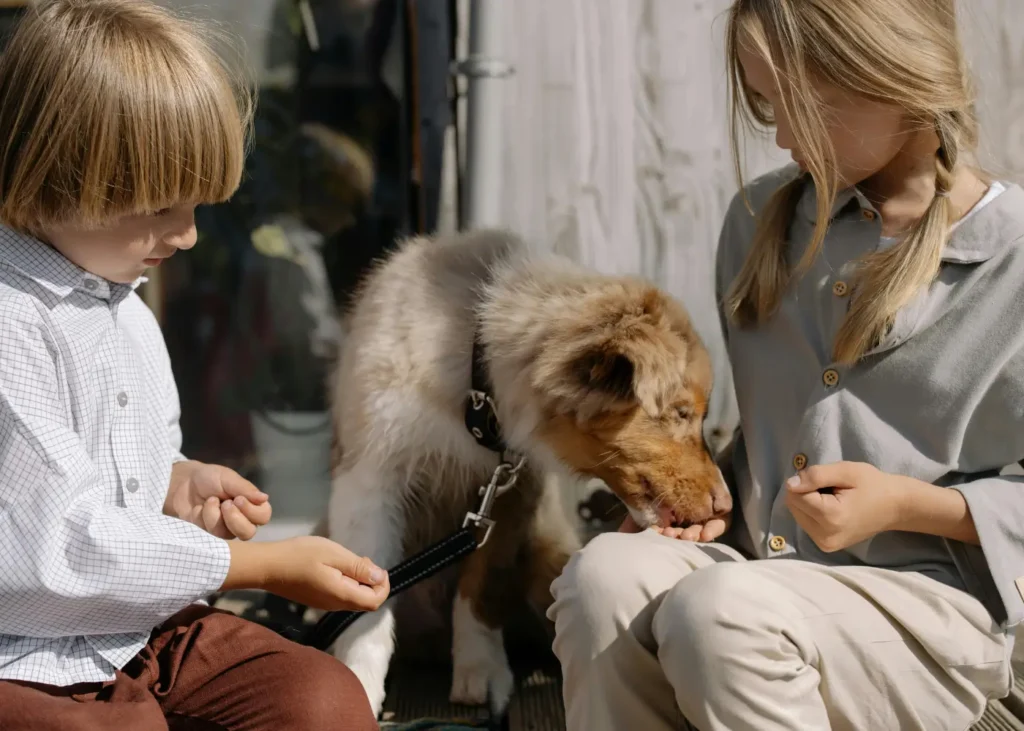
Those first few months (roughly 3–12 weeks, maybe a little longer) are gold for socialisation.
Bring your pup into a variety of safe experiences:
- Different people (kids, older folks, friends)
- Gentle exposure to sounds and sights (car engines, vacuum, umbrellas, traffic)
- Calm meetings with other vaccinated pets (once vaccination-approved)
Do it slowly, positively, and don’t force anything. If your puppy seems overwhelmed — retreat, reset, and try again gently.
5. Teach Basic Commands Early — Sit, Come, Stay, Drop It
Simple commands are the foundation of polite behavior and safety.
“Sit” before meals or play, “come” when called, “drop it” when chewing the wrong thing — these basics go a long way.
Start these indoors, in calm spaces. Once your pup gets the gist, slowly add distractions and new settings. Think of it like baby steps before a sprint.
YOU MAY ALSO LIKE: Why Do Dogs Lick Each Other’s Ears? (And When You Should Step In)
6. Crate Training or Safe-Space Training — Help Them Learn Calm & Alone Time
Whether you use a crate or designate a cosy corner, teaching your dog that being alone or resting is normal helps avoid separation anxiety and destructive energy.
Many trainers and welfare experts recommend making the crate a safe, positive place. According to Long Branch Animal Hospital, “Crates can provide a safe space for your puppy, help with housebreaking, and prevent destructive behaviors when you’re not around.”
Start slow: leave them in for a few minutes while you’re nearby, offer a comfy bed or favourite toy, and reward calm behaviour. Gradually build time up as they grow.
7. Establish Routine — Meals, Potty, Walks, Sleep
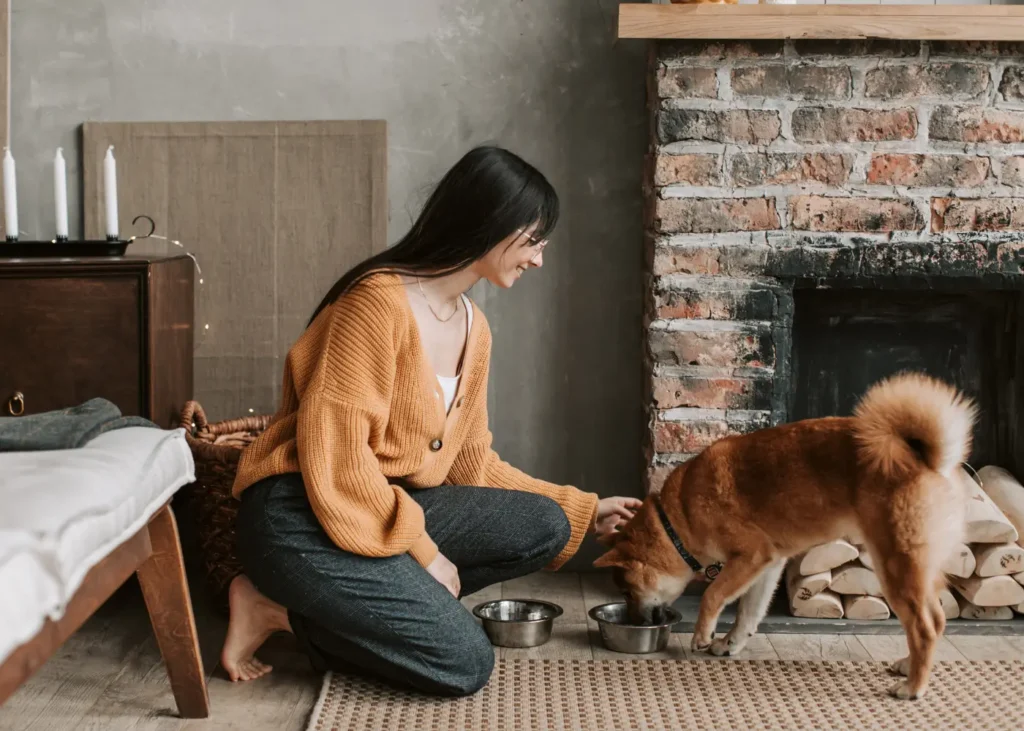
Dogs thrive on routine. Consistent feeding times, regular potty breaks, predictable walk and play windows — this helps them know what to expect and lowers anxiety. It also makes training way easier.
Plus, a routine means fewer “accidents,” fewer chewed shoes, and less chaos when you come home.
8. Practice Impulse Control — Because “Gimme All The Things Now” Is a One-Way Ticket to Disaster
Impulse control is basically the art of teaching your dog that patience = good things. And according to certified dog trainer Kate Naito, this doesn’t need to be complicated at all.
“This can come in many forms,” Naito explains, “but most new owners start with a simple ‘sit.’” She likens a puppy learning to sit on command to a young child learning to say, “Please, may I have that?” instead of “Gimme that!”
Treat it like teaching manners: a small sit here, a steady come there — and reward the chill, not the chaos.
9. Expose Them to Different Environments (Slowly & Safely) — Houses, Cars, Parks, Sounds
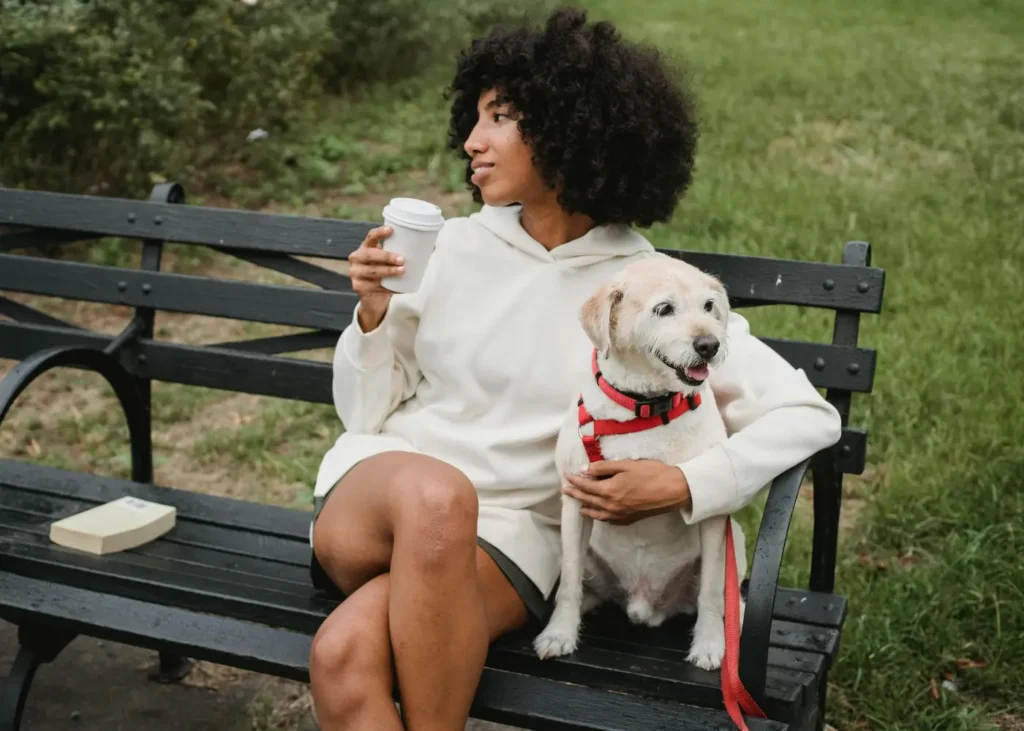
Once your dog’s vaccinated and comfortable at home, start gently introducing new settings: different rooms, car rides, quiet gardens, maybe the back of a friend’s house.
The earlier and more positively you do this, the better they adapt to “life happens.”
This doesn’t mean blitz them with overstimulation — take it easy. Think slow, steady, treat-backed exploration.
10. Keep Training Fun — Because a Happy Dog Learns Faster
If training feels like a chore, your dog will pick up that energy.
Instead, make training a game: treat hunts, sit-for-snacks, “find-it” games, calm snuggles after a “good job.”
Fun + rewards = a dog who thinks learning is awesome rather than “work”. This builds a stronger bond — and you get a happier home.
Final Thought
You didn’t sign up for perfect — you signed up for real. And real dogs (and real owners) thrive on clarity, kindness, and consistency.
Start early. Be kind. Keep it fun. And watch as that little bundle of fur blossoms into a dog who doesn’t just survive… but absolutely rules your world (in the best way possible).