
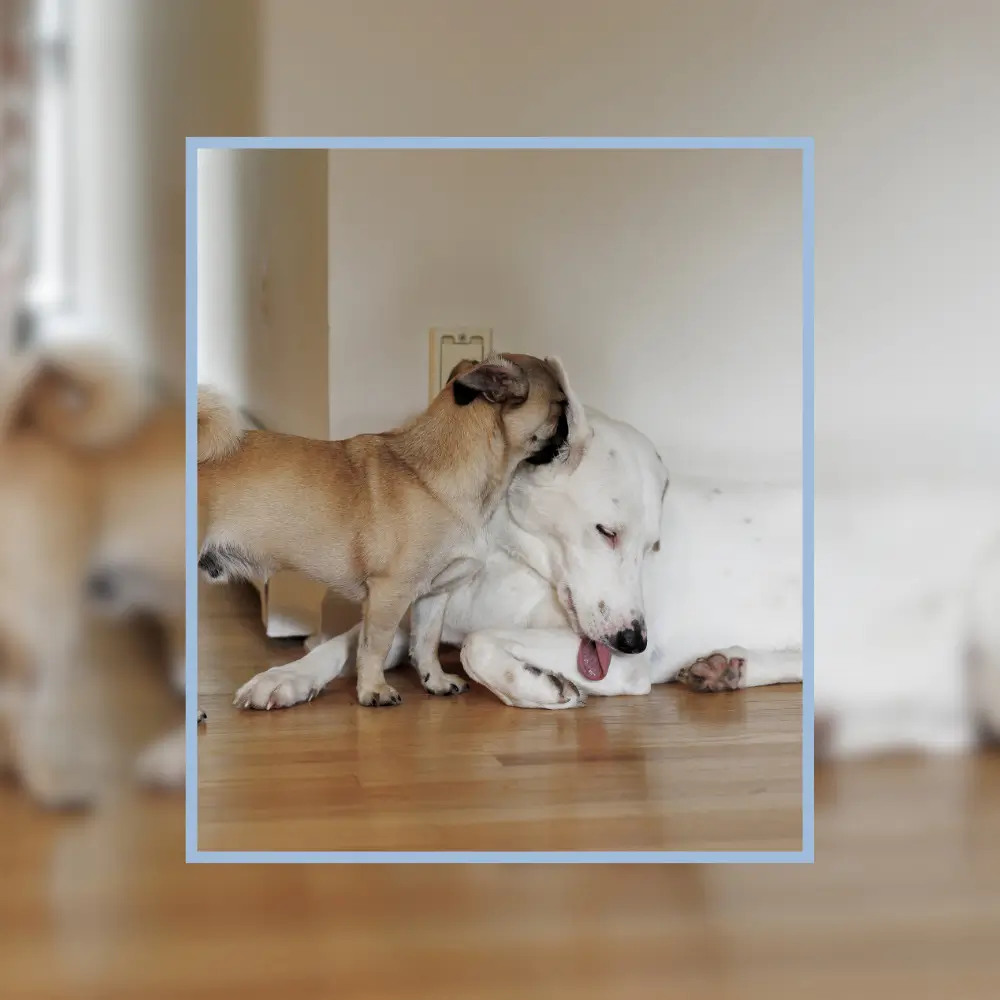
If you’ve ever caught your dog enthusiastically licking another dog’s ears and thought, “Is this normal… or should I be concerned?” — welcome.
You are not alone, and yes, this is one of those classic dog behavior moments that feels equal parts wholesome and mildly unsettling.
Ear licking among dogs can look strange to us humans, but it’s actually a pretty common licking behavior — and in many cases, totally harmless.
Still, there are times when it crosses the line from “aww” to “okay, we need to talk about this.”
Let’s break down why dogs lick each other’s ears, what it means, and when pet owners should step in.
First Things First: Is Ear Licking Normal?
Short answer: Yes — usually.
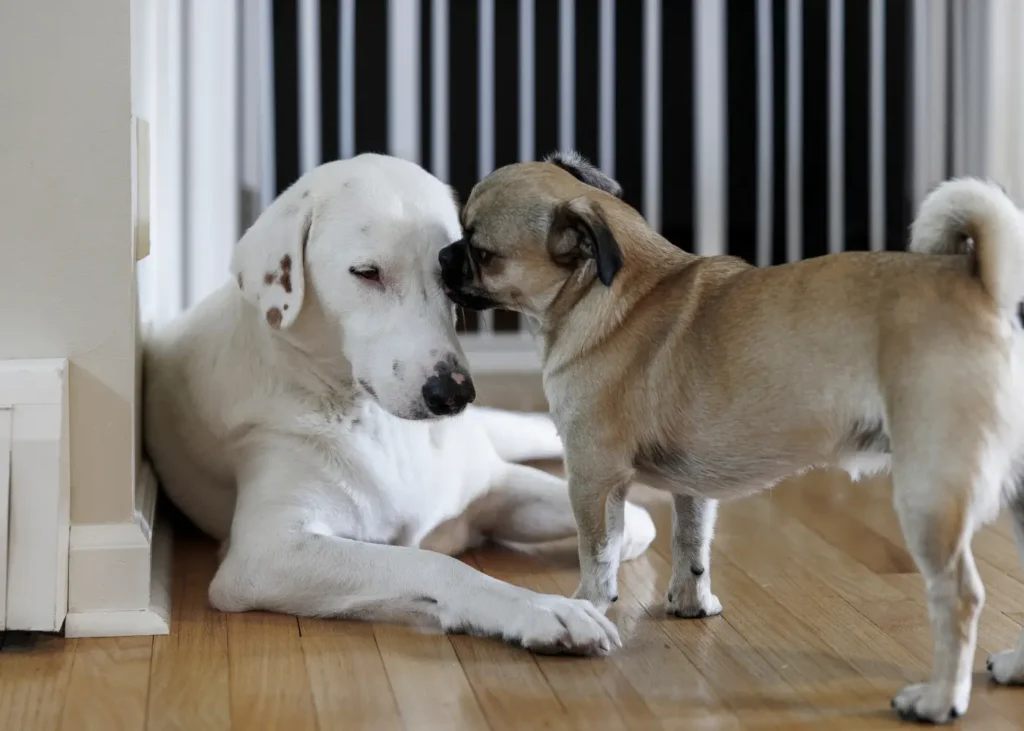
Dogs are pack animals, and many of their social behaviors come from instincts rooted in how dogs interact among dogs in a pack. Licking is one of their main ways of communicating, bonding, and showing care.
So when dogs lick each other’s ears, it’s often just another form of social interaction — not a cry for help.
But (and there is always a but)… context matters.
Here are four simple reasons behind ear licking among dogs.
Why Do Dogs Lick Each Other’s Ears
1. Social Bonding and Pack Behavior
In a pack, dogs use grooming behaviors to strengthen social bonds. Ear licking is a form of grooming that says, “You’re my furry friend. I accept you.”
You’ll often see:
- One dog gently licking another dog’s ears
- Dogs licking each other during calm, relaxed time
- Ear licking between dogs that live together or play often
This kind of dog licking is usually slow, gentle, and mutual — and it’s a sign of comfort, not concern.
EVERYONE’S CLICKING ON:

14 Dog Travel Essentials That Actually Make the Trip Easier (Not Just Look Good on a Packing List)


6 Senior Dogs Who Found Their Forever Home (And Why Adopting Older Pets Is So Underrated)

The Complete Guide to Feeding Your Dog: A Stage-by-Stage Breakdown

10 Best Dog Gadgets That Actually Make Life Easier (Not Just Cuter)

2. Submissive or Respectful Behavior
Sometimes, one dog licking another dog’s ears is a sign of respect or submission. Younger dogs or more submissive dogs may lick the ears of a more confident dog as a way of saying, “You’re cool. I’m cool. We’re cool.”
This behavior is especially common:
- In multi-dog households
- Between dogs with a clear social dynamic
- During greeting rituals
Totally normal. Totally fine.
3. Ear Wax, Smells, and… Curiosity
Dogs experience the world through their noses and mouths — and dog ears can be oddly fascinating.
A dog’s ears contain:
- Natural ear wax
- Scent markers
- Sweat and oils
To dogs, that combination smells like… information. So when dogs lick ears, sometimes they’re just being curious explorers of very weird terrain.
This kind of licking usually happens briefly and then stops on its own.
YOU MAY ALSO LIKE: 26 Best Gifts For Dog Moms Who Treat Their Pup Like Their Firstborn
4. Comforting or Caretaking Behavior
Dogs may lick another dog’s ears as a soothing gesture — especially if the other dog seems stressed, tired, or unwell.
Think of it like a canine version of: “Hey, you okay?”
This type of licking behavior often happens:
- After playtime
- During rest periods
- When one dog seems anxious
It’s gentle, calm, and short-lived — and generally not something to worry about.
When Ear Licking Becomes a Problem
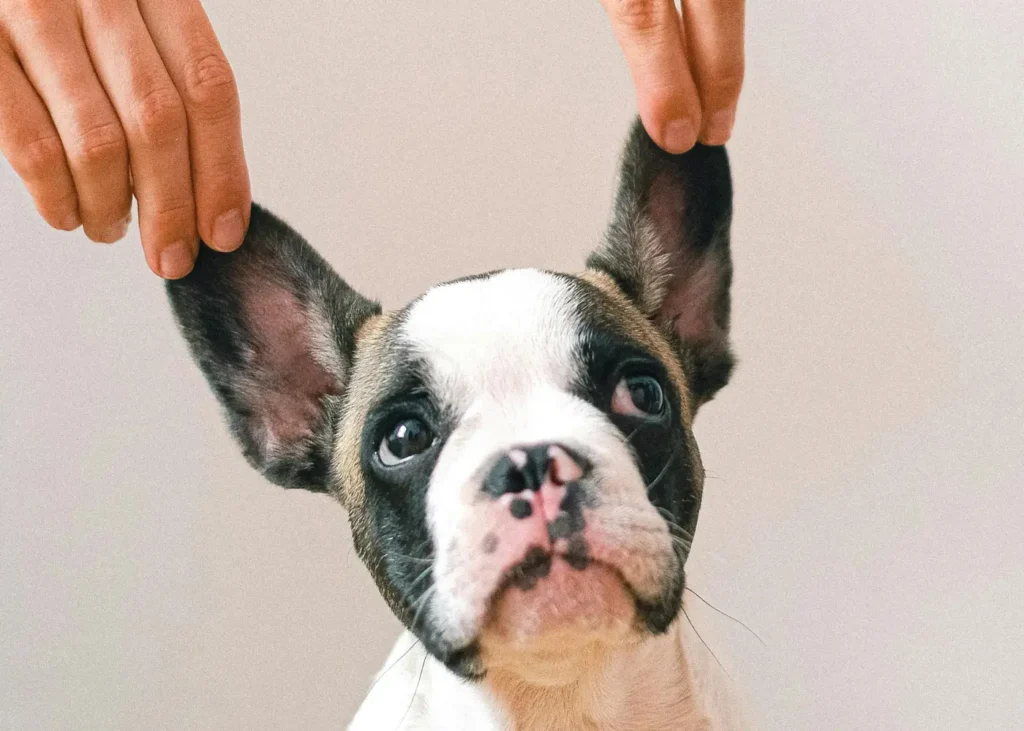
While most ear licking is harmless, excessive licking is where things can get tricky.
🚩 Signs It’s Time to Step In
You may need to intervene if you notice:
- Obsessive licking focused on one dog’s ears
- Redness, swelling, or odor in the ear
- Head shaking or scratching
- Moist or inflamed skin around the ear
- One dog constantly licking while the other looks uncomfortable
This kind of excessive dog licking can actually cause or worsen an ear infection — especially if moisture gets trapped in the ear.
Ear Infections and Licking: What’s the Connection?
Dogs sometimes lick another dog’s ears because there’s already an issue.
Ear infections can create:
- Strong smells
- Discharge
- Changes in ear wax
Which can attract licking from another dog. Unfortunately, that extra moisture and bacteria can make ear infections worse, not better.
If your dog’s ears smell funky, look inflamed, or your dog seems uncomfortable, it’s time to pause the licking and talk to your vet.
How to Stop Excessive Ear Licking (Without Drama)
If ear licking is becoming excessive, don’t panic — and don’t punish.
What Not to Do
- Don’t scold or yell
- Don’t physically separate dogs aggressively
- Don’t assume “they’ll grow out of it” if it’s constant
What To Do Instead
- Redirect attention with toys or food
- Use positive reinforcement when dogs disengage calmly
- Provide separate resting spaces
- Check ears regularly as part of routine care
If the behavior continues or seems compulsive, a vet or certified trainer can help determine whether it’s behavioral or health-related.
FAQs
Not always. Occasional ear licking is normal among dogs. You should step in only if it becomes excessive, obsessive, or causes irritation or signs of infection.
Yes. Excessive licking can introduce moisture and bacteria into the ear, increasing the risk of ear infections — especially if the dog already has sensitive ears.
Dogs choose what they lick based on scent, access, and habit. Dog ears often contain stronger smells due to ear wax and oils, which can make them especially interesting.
Final Thought
Dogs are weird. Lovable. Social. Occasionally gross.
Ear licking is just one of those behaviors that looks strange to humans but makes perfect sense in the dog world.
As long as it’s gentle, occasional, and everyone involved seems comfortable, it’s usually nothing to worry about. But if it turns excessive or starts causing health issues, trust your instincts — your dog depends on you for that kind of care.
And yes… it’s okay to say, “Hey buddy, let’s maybe not do that right now.”