Feeding your pet sounds simple. Open bag. Scoop food. Receive unconditional love and aggressive tail wagging. End scene.
Except… somehow feeding is where a lot of us accidentally spiral. Between conflicting advice, puppy-dog eyes, and that one friend who insists their dog thrives exclusively on vibes and table scraps, it’s easy to get a little lost.
If you’ve ever found yourself Googling “is my dog eating too much?” or wondering whether those snacks “even count,” this one’s for you.
Here are 9 common feeding mistakes pet owners make — and how to avoid them without turning mealtime into a full-time job.
1. Overfeeding (a.k.a. Love in Scoop Form)
Look, we’ve all been there. The bowl looks a little empty. Your dog looks a little hopeful. One extra scoop surely won’t hurt… right?
Unfortunately, overfeeding is one of the most common pet mistakes — and it can quietly lead to weight gain, joint issues, and lower energy over time.
How to avoid it:
Measure meals instead of eyeballing them, and follow feeding guidelines based on your pet’s ideal weight — not their current “living their best snack-forward life” weight. When in doubt, your vet can help you adjust portions safely.
EVERYONE’S CLICKING ON:
Why Do Dogs Lick Each Other’s Ears? (And When You Should Step In)

10 Best Dog Gadgets That Actually Make Life Easier (Not Just Cuter)
26 Best Gifts For Dog Moms Who Treat Their Pup Like Their Firstborn
6 Vegan Dog Treat Recipes That Prove Dogs Don’t Need Dairy To Be Delighted
12 Protective (Yet Seriously Sweet) Guard Dog Breeds That Make Amazing Family Dogs
2. Too Many Treats (Yes, Even the “Healthy” Ones)
Treats are great. Treats are powerful. Treats are also sneaky little calorie bombs when they start replacing meals.
If treats make up more than about 10% of your pet’s daily intake, things can get unbalanced fast.
How to avoid it:
Use small treats, break them in half, or use kibble as training rewards. And remember: your dog doesn’t know if something is “tiny” — they just know it showed up.
3. Feeding Table Scraps Because “It’s Just a Little Bit”
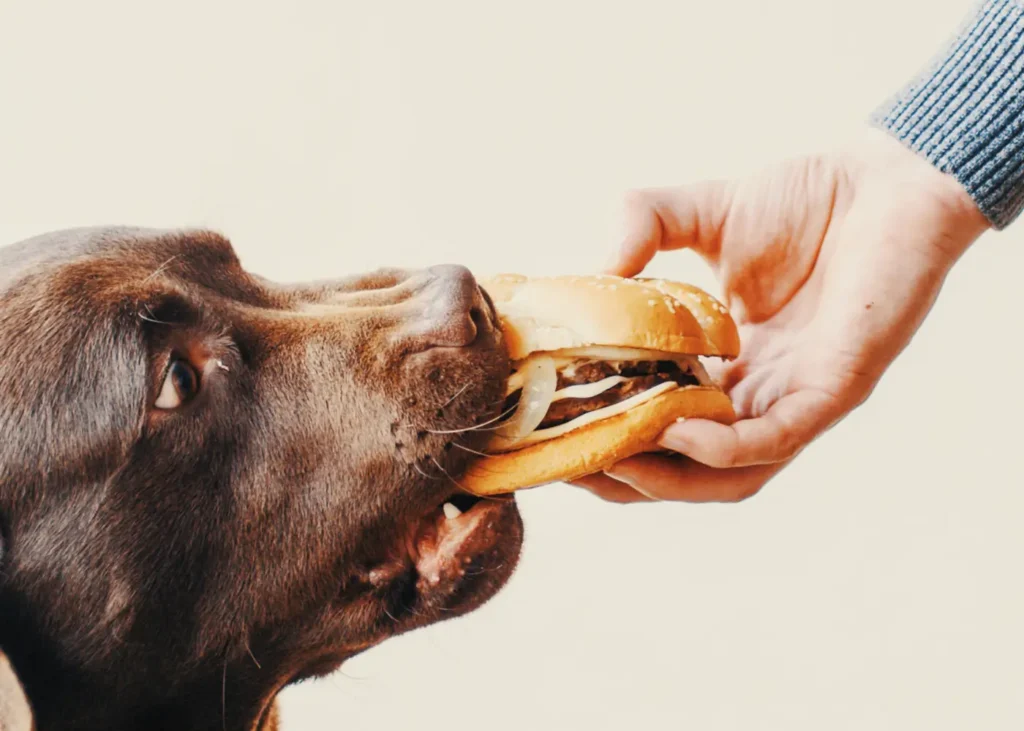
Ah yes, the classic: “It’s just one bite.”
But one bite turns into a habit, and suddenly your dog believes all human meals are a group activity.
Some human foods are also dangerous for pets (looking at you, onions, grapes, chocolate), even in small amounts.
How to avoid it:
If you want to share, stick to pet-safe foods and offer them in the bowl, not from the table. This keeps boundaries clear and begging behaviors in check.
4. Ignoring Feeding Schedules
Free-feeding might sound chill and carefree, but for many pets, it leads to overeating, picky habits, and unpredictable potty schedules.
Dogs especially thrive on routine — and mealtimes are part of that rhythm.
How to avoid it:
Set consistent meal times and stick to them. Pick the bowl up after 15–20 minutes if it’s untouched. Most dogs figure it out pretty quickly.
5. Switching Foods Too Fast
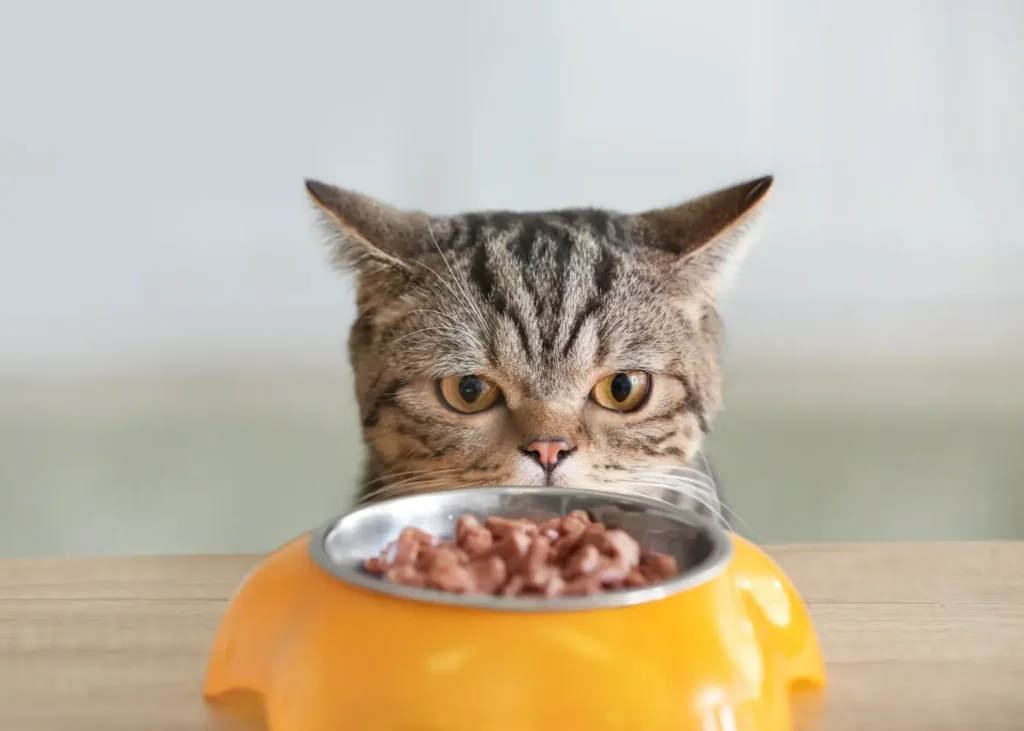
Sudden food changes can wreak havoc on your pet’s digestive system. Cue stomach upset, diarrhea, and that panicked “what did I do” feeling.
How to avoid it:
Transition slowly over 7–10 days, mixing increasing amounts of the new food with the old. Your pet’s gut will thank you.
6. Not Adjusting Portions as Your Pet Ages
Puppies grow. Adults settle. Seniors slow down. But sometimes the food bowl stays exactly the same.
Your pet’s nutritional needs change with age, activity level, and health — and their food should reflect that.
How to avoid it:
Reassess portions during major life stages or lifestyle changes (less activity, more naps, new medications). Annual vet visits are a great time to check in.
7. Feeding for Convenience, Not Nutrition
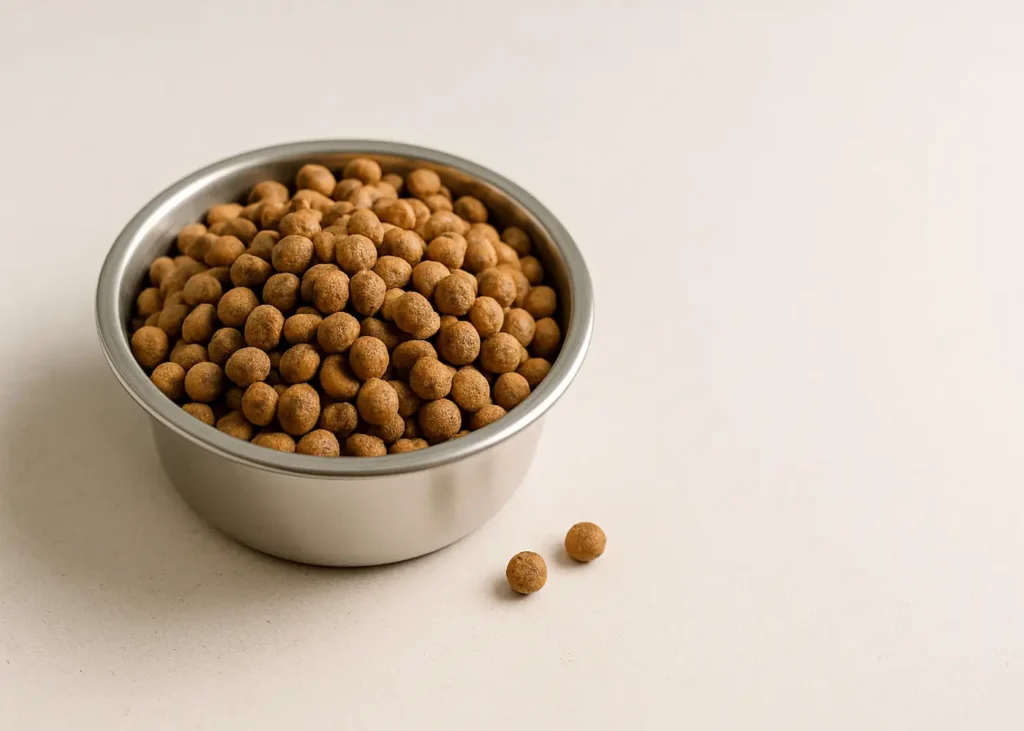
It’s tempting to grab whatever’s on sale or whatever your pet will eat without protest. But not all foods are created equal.
Low-quality foods may rely heavily on fillers, artificial additives, or poorly balanced nutrients.
How to avoid it:
Look for foods with clearly named ingredients, appropriate protein sources, and formulas designed for your pet’s species and life stage. Simple doesn’t mean bad — mysterious doesn’t mean good.
8. Letting Picky Eating Run the House
Some pets are picky. Others just learn that refusing dinner results in something better appearing 20 minutes later.
Spoiler: they’re very good at training us.
How to avoid it:
Offer meals at set times, avoid topping food with something “better,” and don’t panic if your pet skips a meal or two (as long as they’re healthy). Most will eat when they’re truly hungry.
9. Forgetting That Water Is Part of Feeding
Food gets all the attention, but hydration matters just as much. Dehydration can affect digestion, energy, and overall health.
How to avoid it:
Make sure fresh water is always available, clean bowls regularly, and monitor intake — especially in hot weather or for pets on dry food.
Final Thought
Feeding your pet doesn’t have to be perfect. It just has to be thoughtful.
If you’re paying attention, asking questions, and willing to adjust when something’s not working, you’re already doing a great job.
Your pet doesn’t need a gourmet chef — they need a human who cares enough to learn, tweak, and try again.
And yes… treats are still allowed. Just maybe not every time they blink at you.