
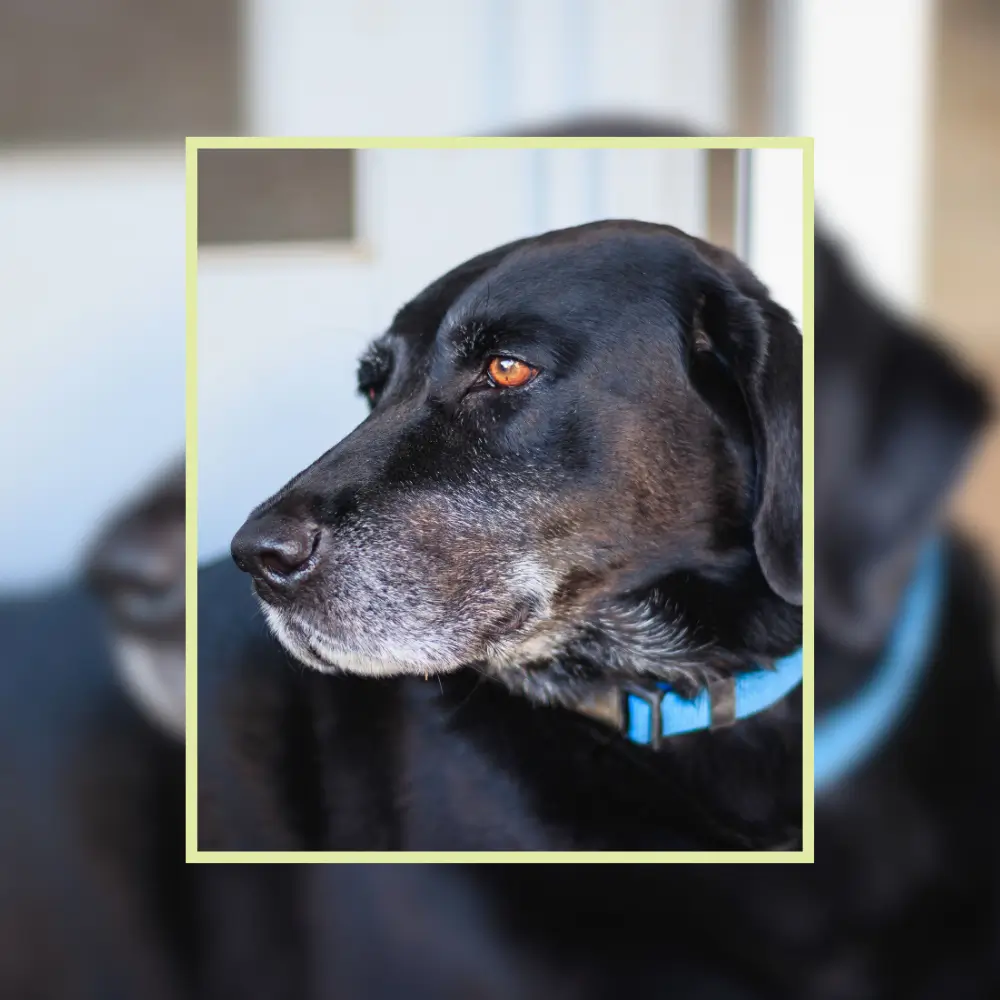
If you grew up thinking one dog year equals seven human years, I have a little bit of news for you: that math was never quite right.
And it definitely doesn’t answer the question everyone actually wants answered, which is when your own dog crosses into senior territory.
The truth is more interesting than a flat multiplication. It depends almost entirely on size.
Key Takeaways
- There’s no single age that makes a dog a senior; it depends heavily on size and breed
- Small dogs typically reach senior status around 8-11 years; giant breeds as early as 5-6 years
- The classic “7 human years per dog year” rule is outdated and oversimplified
- Watch for signs like slower movement, graying, and changes in sleep or appetite, not just age on paper
The Real Answer: It Depends on Size
A Chihuahua and a Great Dane are not aging on the same clock, not even close.
According to the American Veterinary Medical Association, dogs don’t have one universal age of seniority because of how much size varies, since larger breeds tend to have shorter lifespans than smaller ones.
Here’s a general breakdown:
| Breed Size | Examples | Considered Senior Around |
|---|---|---|
| Small (under 20 lbs) | Chihuahua, Yorkie, Dachshund | 10-12 years |
| Medium (20-50 lbs) | Beagle, Cocker Spaniel, Border Collie | 8-10 years |
| Large (50-90 lbs) | Labrador, German Shepherd, Golden Retriever | 6-8 years |
| Giant (90+ lbs) | Great Dane, Mastiff, Saint Bernard | 5-6 years |
These are general guidelines, not hard cutoffs.
A few months on either side isn’t going to change anything overnight.
But if you’ve ever wondered why your friend’s Great Dane is already getting senior-specific vet care at age six while your neighbor’s Chihuahua is still acting like a puppy at age nine, this is why.
Why Size Changes the Timeline
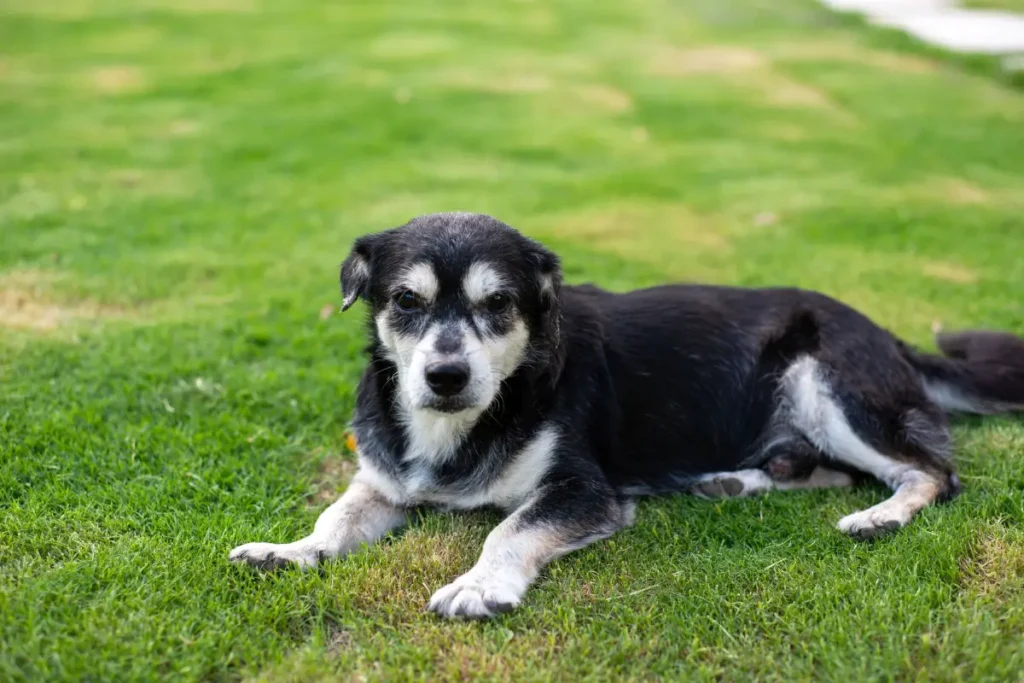
It seems backwards at first. Bigger dogs, shorter senior timelines?
But large and giant breeds age faster at the cellular level than small breeds do, and their bodies simply wear down sooner.
It’s part of why their overall lifespans tend to run shorter too.
A Great Dane’s “old age” and a Chihuahua’s “old age” are just operating on very different schedules, even though they’re the same species.
EVERYONE’S CLICKING ON:

14 Dog Travel Essentials That Actually Make the Trip Easier (Not Just Look Good on a Packing List)
6 Senior Dogs Who Found Their Forever Home (And Why Adopting Older Pets Is So Underrated)
The Complete Guide to Feeding Your Dog: A Stage-by-Stage Breakdown
Why Do Dogs Lick Each Other’s Ears? (And When You Should Step In)

10 Best Dog Gadgets That Actually Make Life Easier (Not Just Cuter)

Quick Myth-Bust: The “7 Human Years” Rule Is Outdated
That old rule of thumb (one dog year equals seven human years) was never based on much beyond a rough guess, and it definitely doesn’t hold up once you factor in breed size.
Aging isn’t linear either. A one-year-old dog isn’t “7 in human years,” they’re closer to the human equivalent of a teenager, already mostly grown.
The pace slows down significantly after that.
If you want a number to hold onto, size and breed matter far more than a flat multiplier ever could.
Signs Your Dog Might Be Entering Their Senior Years
Age on paper is one thing. What you’re actually noticing day to day is usually the bigger clue.
Keep an eye out for:
- Slower movement or stiffness, especially after naps or first thing in the morning
- Graying around the muzzle and eyes, often one of the earliest visible signs
- Changes in sleep patterns, more naps, less stamina during walks
- Early cognitive changes, like confusion, disrupted sleep, or seeming “off” in familiar spaces (this can be an early sign of canine cognitive dysfunction, something we’ll cover in more depth soon)
- Weight fluctuation, either gaining from a slower metabolism or losing from reduced appetite
None of these mean something is wrong. They’re just signals worth paying attention to, especially if a few show up around the same time.
What Changes Once They’re Officially a Senior
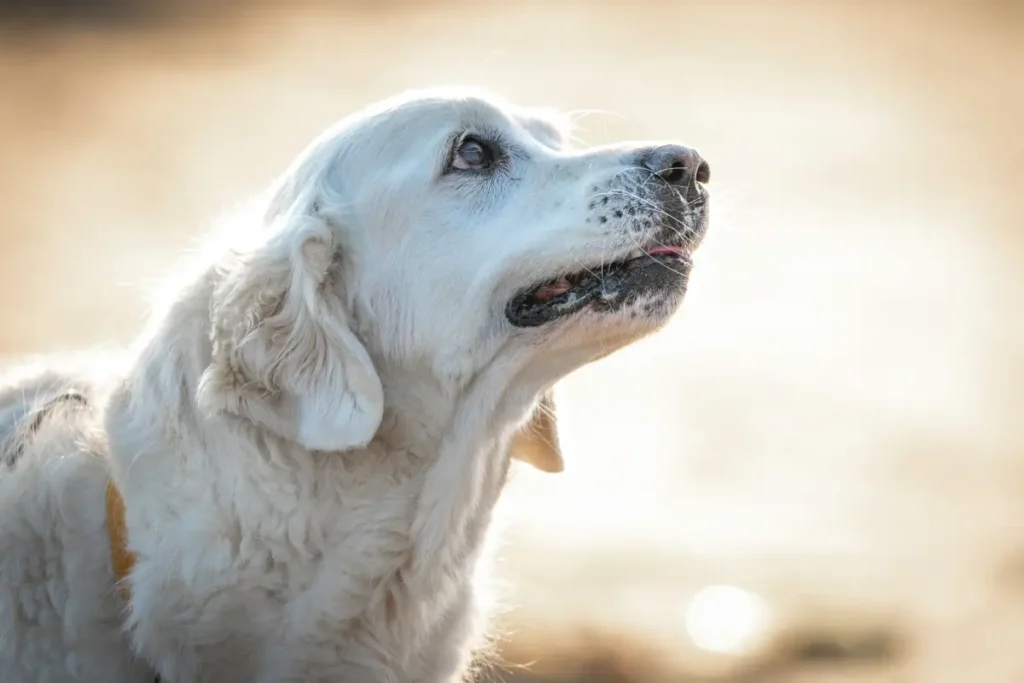
Once your dog crosses into their senior years, a few practical shifts are worth making:
- More frequent wellness exams. Many vets recommend moving from annual to twice-a-year checkups, since early detection makes a real difference with age-related conditions.
- Adjusted nutrition. Senior dogs often need different calorie levels and added joint support. If you haven’t already, our complete guide to feeding your dog by life stage breaks down exactly what changes and why.
- Closer monitoring for age-related conditions. Things like arthritis, vision changes, and cognitive decline tend to show up gradually, so noticing small changes early gives you more options.
The Bottom Line
“Senior” isn’t a cliff your dog falls off of one day.
It’s more like a gradual shift, one that arrives at a different pace depending on their size, but one you can absolutely prepare for either way.
Knowing roughly when to expect it just means you get to be ready instead of caught off guard, which honestly, is the best any of us can do for our dogs at any age.